Ramkawats: Elevating Your Visual Design with a Horror Display Font
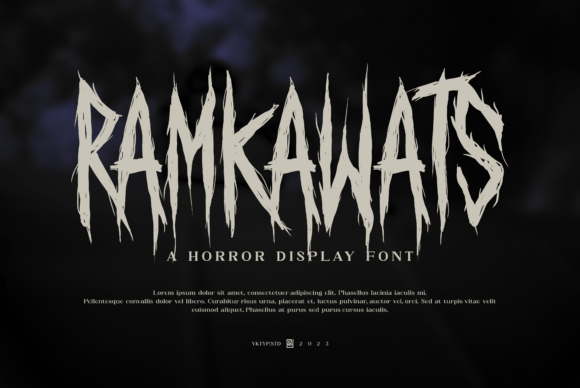
Every designer knows the power of a perfectly chosen typeface to instantly set a mood, and for projects demanding a dark, impactful aesthetic, the right font is everything. Enter Ramkawats, a meticulously crafted horror display font designed to inject immediate visual tension and professional-grade drama into your creative work. More than just a collection of letters, it’s a specialized tool for graphic design, built to command attention and establish a powerful, unforgettable brand identity in competitive visual landscapes.
Understanding the Role of Display Typography
In visual design, typography is a cornerstone of communication. While body text prioritizes readability, display fonts like Ramkawats serve a different, critical function: they create a visual hierarchy and evoke emotion at a glance. This font’s jagged, unsettling forms are engineered for impact, making it an ideal asset for projects where first impressions are paramount. Its design aligns with modern aesthetics that favor bold, thematic choices to cut through digital noise, whether in social media graphics, poster design, or web headers.
Practical Applications for Maximum Impact
The true value of a creative asset lies in its versatility and application. Ramkawats is not a one-trick pony; its horror-themed style can be leveraged across numerous design disciplines to enhance branding and user engagement. Consider its potential in the following areas:
- Branding and Logo Design: For bands, gaming channels, or niche apparel brands, a logo sets the tone. Ramkawats provides a distinctive logotype that immediately communicates a specific, edgy brand identity.
- Marketing and Advertising: From album covers and movie posters to event flyers and digital ads, this font creates a focal point that draws the eye, essential for effective advertising campaigns and print design.
- Digital and Social Media Content: Thumbnails, YouTube graphics, and Instagram stories benefit immensely from typography that stands out in a fast-scrolling feed, boosting visual communication and click-through rates.
- Merchandise and Packaging Design: Applied to T-shirts, stickers, or product packaging, it adds a layer of thematic authenticity that resonates with target audiences, strengthening the overall brand experience.
- Editorial and Presentation Design: Use it for chapter titles in a horror anthology or to create a striking title slide in a presentation, ensuring your content has a polished, professional presentation from the start.
Integrating Ramkawats into Your Design Workflow
Adopting a new typeface requires thoughtful integration into your existing design workflow. To use Ramkawats effectively, always consider the principles of visual hierarchy and contrast. Its detailed, expressive nature makes it best suited for headlines, titles, and short, impactful phrases rather than long paragraphs. Pair it with a clean, highly legible sans-serif or serif font for body copy to maintain balance and readability. When defining a color palette, consider deep blacks, blood reds, or ghostly whites to complement its character and enhance the overall mood of your creative projects.
Evaluate any design asset, including a font like Ramkawats, against your specific goals. Does it align with your audience’s expectations? Is it scalable for both a small favicon and a large billboard? By answering these questions, you ensure that your typography choices contribute to a cohesive and effective visual strategy, whether for a full UI design system or a single promotional poster.
Ultimately, thoughtful design choices are what separate good work from great. Investing in high-quality, purpose-driven creative assets like Ramkawats empowers you to execute your vision with precision and flair. It’s about having the right tools in your arsenal to not only meet a brief but to exceed it, creating designs that are visually compelling, communicatively clear, and perfectly aligned with the modern aesthetics your audience expects. Let your typography do more than just spell words—let it tell a story.